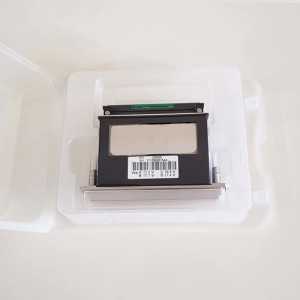
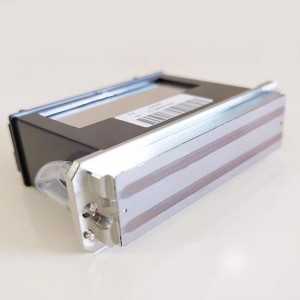
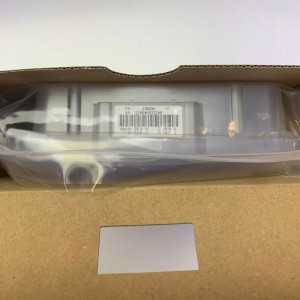
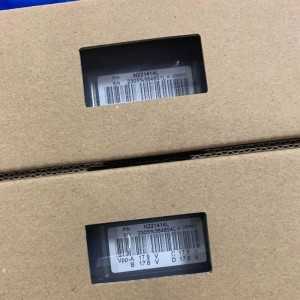
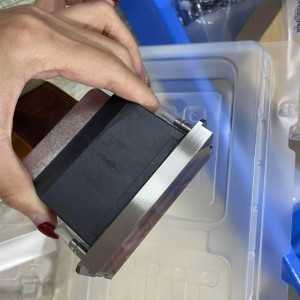
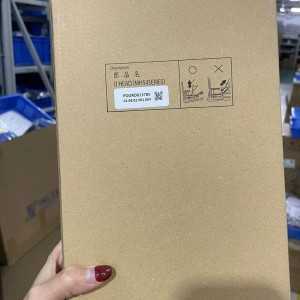
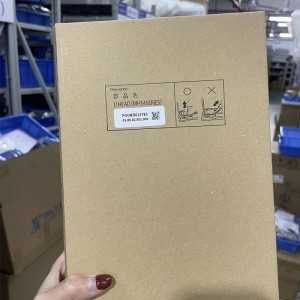
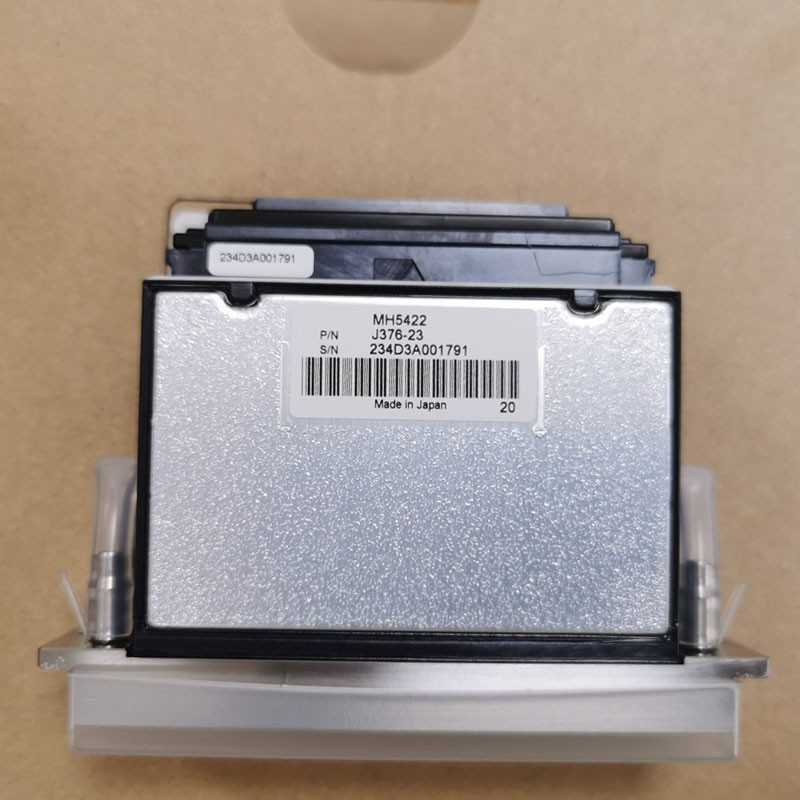
The Ricoh G6+ / MH5422 J376-23 printhead key specifications are: 1,280 nozzles in 4 rows, 7 pl native drop size, 54.1 mm print width, and support for UV, solvent, and aqueous inks. It is also commonly listed with 600 dpi output, 10–12 mPa·s viscosity range, and operating temperature up to 60°C.
General specifications
What is the native drop size and nozzle configuration of the MH5422? The MH5422 has a native single-drop volume of 7 pL and 1,280 nozzles arranged in a 150 npi × 4-row staggered layout.
What printing frequency and grayscale modes are supported? The head supports up to 50 kHz maximum firing frequency (binary/2-level mode) and can operate in up to 4‑level grayscale mode (lower maximum frequency for higher grayscale).
What are the physical dimensions and weight? The printhead body is approximately 89 mm wide, 24.5 mm deep, and ~66.3 mm high, and weighs about 228 g including the common cable.
Ink and media compatibility
Which ink types are supported? The MH5422 is compatible with UV, solvent, and water‑based (aqueous) inks; Ricoh specifies broader ink compatibility and improved support for aqueous inks compared with previous generations.
What ink properties (viscosity, surface tension) are recommended? Typical operating viscosity is around 10–12 mPa·s and recommended surface tension is about 28–35 mN/m.
Is ink heating supported? The head includes integrated heater and thermistor temperature control to stabilise jetting performance up to the manufacturer’s recommended ink temperature (typical maximum around 60°C).
Electrical and mechanical interface
What electrical / cable notes are important? The head uses a multi‑pin cable assembly and Ricoh provides split/separate cable options; use the manufacturer’s specified cable harness and driver electronics for correct timing and voltage.
How many colors can a single head support? Depending on model variant and system architecture, the MH5422 family is used in configurations for 2‑color or 4‑color setups; system integrators typically deploy multiple heads for full-color printing.
Performance and image quality
What print width and resolution can I expect? The single head print width is about 54.1 mm (2.13 in) with nozzle pitch giving high native resolution; practical dpi depends on mechanical arrangement and RIP settings, but the head’s pitch and droplet size enable high-quality output.
How does the head maintain stability at high frequency? Ricoh improved droplet velocity uniformity and jetting accuracy in the G6+ family to maintain image quality and stable operation at higher firing frequencies (up to 50 kHz).
Maintenance and lifetime
What routine maintenance is required? Regular capping, wiping and controlled purge cycles are recommended per integrator instructions to prevent nozzle clogging; follow the OEM maintenance schedule for capping/seal checks and daily purge routines.
What is expected lifetime with water‑based inks? Ricoh states the G6+ design significantly improves lifetime when using aqueous inks compared with previous generations (manufacturer documentation reports lifetimes improved by more than one generation for aqueous use).
Common problems and troubleshooting
Nozzle dropouts or missing nozzles: Perform the standard nozzle-check, run automated purges, and use the recommended cleaning fluid and procedures; persistent missing channels may indicate damaged nozzles or electronic issues requiring head replacement or service.
Banding or inconsistent density: Check printhead mounting (height/parallelism), substrate advance accuracy, ink viscosity and temperature, and firing frequency/grayscale settings; ensure the head heater and thermistor are functioning within spec.
Air ingestion or sputtering: Confirm ink path seals, proper priming, and that the ink supply and pressure control are correct; avoid excessive suction/negative pressure at the head.
Integration and system notes
Can the MH5422 be used in retrofit or third‑party printers? Many integrators and parts suppliers offer MH5422 heads for flatbed and roll systems, but successful integration requires correct drive electronics, waveform tuning, cable pinout, and ink system compatibility—use qualified OEM/integrator designs.
What environmental conditions are recommended? Operate within the manufacturer specified temperature and humidity ranges and avoid rapid temperature swings; Ricoh documents heater/thermistor support and recommends keeping ink temperature stable (head max operating ink temperature listed around 60°C).
Replacement parts and ordering
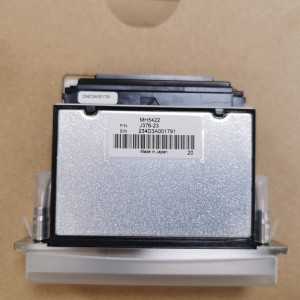
How is the printhead identified for ordering? Look for Ricoh model numbers such as MH5422 (and MH5442 sibling); confirm full part codes and connector variants with a Ricoh authorized distributor or integrator before ordering.
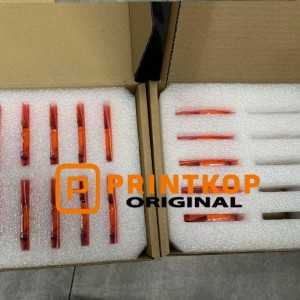
Are third‑party replacement heads available? Aftermarket listings exist, but first verify our authenticity and warranty terms.
Useful references and images
Ricoh product pages and the MH5422/MH5442 datasheet provide official specs and implementation guidance.
Press release and regional pages describe the G6+ family improvements (jetting stability, ink compatibility, and higher firing frequency).
Illustrative example
Example setup: a four‑head staggered array (each MH5422 configured for a different color) commonly yields full‑color coverage across a wider printbar; correct mechanical stagger, electrical timing, and RIP dithering are required to use the 7 pL drop in multilevel mode for high-quality prints.


 Security policy
 Delivery policy
 Return policy