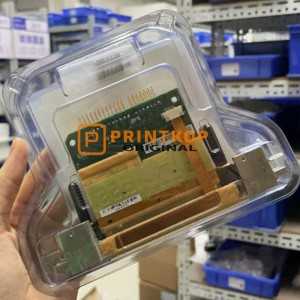
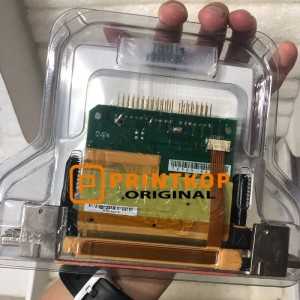
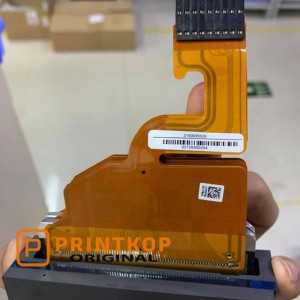
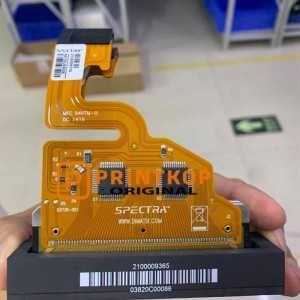
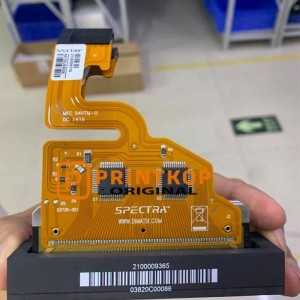
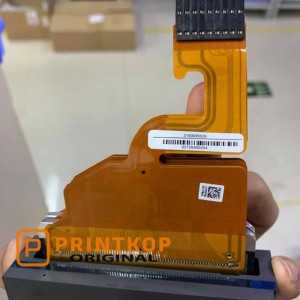
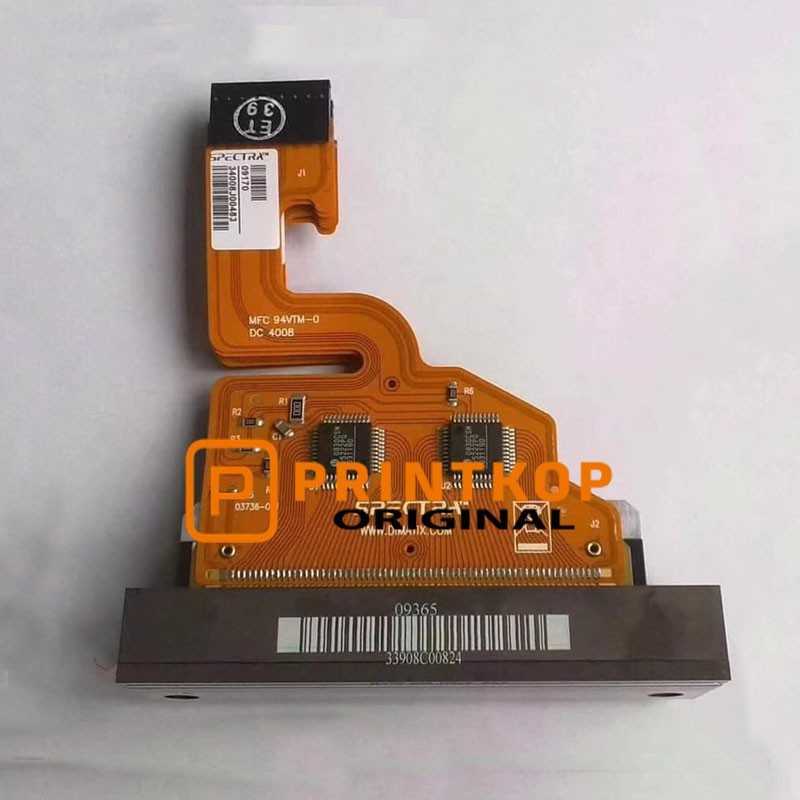
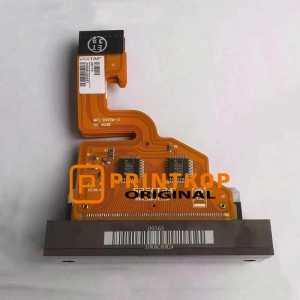
The Spectra SM-128 AA printhead provides 128 independently addressable nozzles (2 piezo slices × 64 channels), arranged in a single inline row with 508 microns (0.020 inch) nozzle spacing. It typically supports drop sizes around 50 picoliters, with high-frequency operation and compatibility with a broad range of fluids, including high-viscosity inks, making it suitable for fast, high-volume printing needs. This model is commonly deployed in UV, solvent, and aqueous inkjet applications, and it offers dual-port flushing and several mounting/interface options for integration.
Key features to evaluate (and why they matter)
Nozzle count and arrangement: 128 jets in a single row provides high print resolution and throughput. If your printer carriage can accommodate a long single-line head, this is advantageous for continuous, high-speed laps.
Drop size: 50 pL in SM-128 AA variants (common spec) balances print detail with jet stability for fast inks; smaller drops improve detail but can demand tighter data and maintenance.
Nozzle spacing: 508 microns (0.020 in) spacing is standard for Spectra 128 heads and affects print resolution and surface coverage per pass.
Fluid compatibility: Designed to handle a wide range of inks, including UV and solvent-based formulations, as well as higher-viscosity fluids; this broadens potential applications but requires proper priming, cleaning, and solvent resistance in the system.
Jet uniformity and straightness: High channel-to-channel uniformity and good jet straightness are important for color consistency across a print run.
Speed and duty cycle: High-frequency operation supports faster throughput; verify your printer’s data bandwidth and firing driver to avoid data bottlenecks.
Temperature control and maintenance: Some variants offer optional temperature control; consider whether your application benefits from temperature stabilization and how easy cleaning/flushing is (dual-port flushing helps maintenance).
Construction and compatibility: Look for a robust build, easy mounting, and clear electrical/fluid interfaces. Compatibility with your current controller, interface board options, and daisy-chaining capabilities can reduce integration effort.
Longevity and service: Spectra printheads typically have long service life with proper care, but availability of spare parts, compatibility with reconditioning, and ease of replacement are practical considerations.
Quick comparison sketch (to help choose among related SKUs)
SM-128 AA 50 pL: 128 jets, 50 pL, 0.020 inch spacing, high viscosity support, dual-port flushing, optional temperature control.
SL-128 AA 80 pL or SE-128 AA 30 pL variants: same jet count and spacing, differing nominal drop sizes (which influence print quality vs. reliability at high speeds); 80 pL yields more ink per drop (denser color) while 30 pL offers finer micro-detail but may require tighter ink and data control.
Differences you’ll likely care about: drop size (pL), intended printing resolutions and fluids, and any special features like temperature control or mounting options.
Buying considerations and practical steps
Confirm your printer compatibility: ensure the head interface and driver can support 128 channels and the data rate required for your print speed.
Verify fluid compatibility: check that your inks (UV, solvent, aqueous, or specialty inks) are suitable for Spectra SM-128 AA and that the system materials resist the chosen solvents/UV exposure.
Check physical fit: confirm nozzle row length, mounting footprint, and top-fluid interface location align with your carriage design; this avoids costly shimming or adapter parts.
Maintenance plan: ensure you have access to replacement nozzles or refurbishment services, and that your maintenance protocol supports dual-port flushing and routine cleaning.
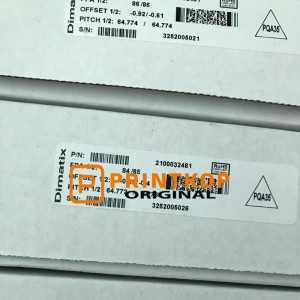
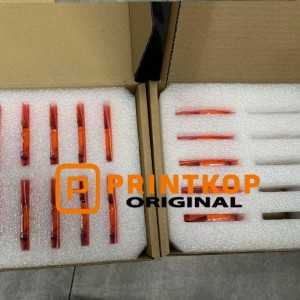
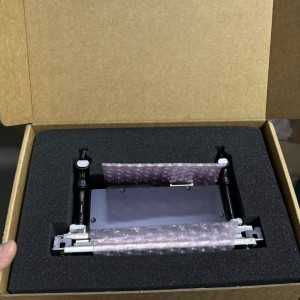
Sourcing and warranty: Our Printhead is an original parts, and have warranty terms or return policies.
Total cost of ownership: include head price, data/interface board if needed, fluids, power requirements, and anticipated head life under your production schedule.
If you’re upgrading from a predecessor 128-head family, you’ll gain similar jet count with potentially improved uniformity and higher speed potential, but you’ll want to validate your total system readiness (data, power, fluid handling) to realize those gains.
What to ask us or check in listings
Drop size (pL) and confirmed nozzle count (128) and spacing (508 microns).
Supported inks and viscosity range; any limitations with solvents or UV-curable inks.
Data interface options and whether daisy-chaining is supported; flushing features and cleanliness protocols.
Temperature control availability and mounting variants.
Condition (new vs. refurbished), warranty, and return policy.
Lead times, price, and compatibility with your current printer model or controller.


 Security policy
 Delivery policy
 Return policy