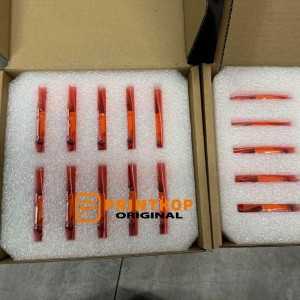
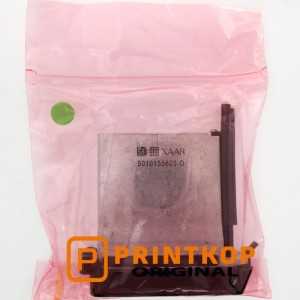
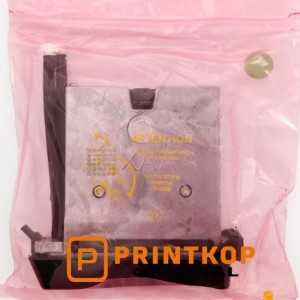
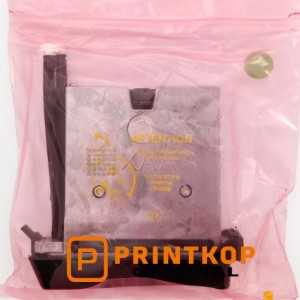
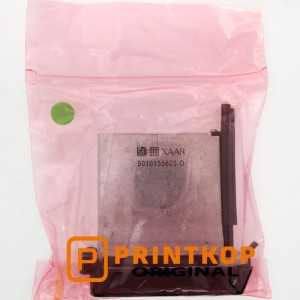
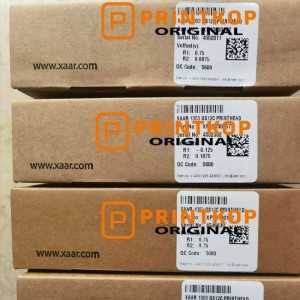
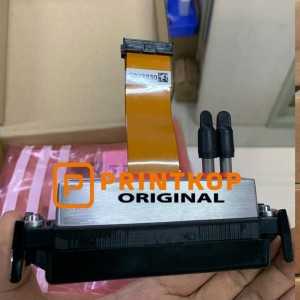
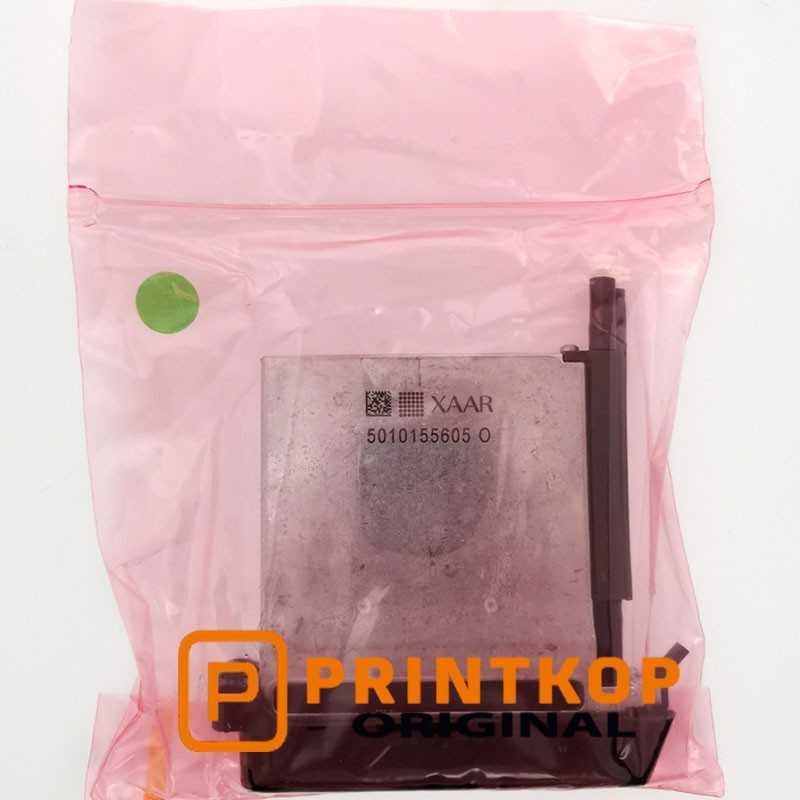
Reach higher levels of performance in Wide-Format Graphics (WFG) with the Xaar 502 GS15 S printhead. Whether printing large exterior banners or indoor point-of-sale material, this premium printhead delivers exceptional print quality, excellent reliability and high production up-time.
Key models and what they are best for
- Xaar 502 GS15 S360: 500 active nozzles, 70.5 mm swathe, 180 Npi, 40 pl drop, solvent inks, downshooter orientation, 7 kHz typical firing at max DPD. Suited for large-format graphics on solvent printers with gravity-fed ink systems; includes last-chance filter and a Wide-Guard nozzle protection. Use when you need robust, mid-range drop size with good detail on banners and signage.
- Xaar 502 GS15 S180: 500 active nozzles, same swathe width and nozzle count as the 360 variant but with 70 pl drop volume, still solvent inks, gravity-fed, 7 kHz typical firing. Use when you can tolerate smaller drop size for finer detail on similar substrates, potentially slightly higher perceived sharpness at the same resolution.
Shared capabilities and benefits
- PrecisionPlus architecture: improved actuator performance, more uniform drop formation, and better print quality across the swathe; helps achieve consistent results on long runs [GS15 family datasheets]. This architecture also enhances stiffness in the Z axis for stable actuation, contributing to reliability.
- Grey level capability: typically up to 6 grey levels, enabling finer grayscale graphics rather than purely binary text; this improves contrast on varied color substrates.
- Inlet protection: last-chance filter on the inlet helps prevent particulates from entering the head, reducing downtime and maintenance needs [GS15S/GS15O notes].
- Jetting orientation: downshooter configuration supports standard layouts in many industrial printers; check compatibility with your printer’s carriage and substrate path.
- No heating element: typical models in this family do not require integrated heaters, which affects compatibility with certain ink chemistries and thermal management strategies.
How to compare quickly (our customer quick-evaluation checklist)
- Ink compatibility: confirm nozzle type and recommended inks (solvent) match your platform; if you use UV or latex, verify compatibility or opt for a head in the OEM line designed for those inks.
- Droplet size vs print quality: 40 pl for GS15 S360 vs 70 pl for GS15 S180; choose smaller drops for finer shadows and smoother gradients, larger drops for denser blacks on porous substrates.
- Swathe width and mounting: both variants cited use ~70.5 mm swathe; verify your printer’s mechanical fit and whether you need single-row jetting or multi-row arrangements.
- Firing frequency: around 7 kHz maximum DPD in typical operation; ensures suitability for your target speed range; if you run very high-speed production, verify actual throughput with your ink/substrate combination.
- Protection and maintenance: WFG nozzle guard and last-chance inlet filter reduce substrate damage and particle ingress; factor in maintenance routines and cleaning intervals.
- Physical form factor: typical dimensions are 104 x 17 x 113 mm; ensure housing and inlet/outlet plumbing fit your system; check mating connectors and hose barb size (4 mm).
Quick decision prompts
- If you need tighter detail on standard banners and want lower drop volume with high grayscale, lean GS15 S360 (40 pl) and verify substrate compatibility and print speed.
- If your job requires bolder blacks on challenging substrates or you’re printing with heavier grayscale on rough or porous surfaces, GS15 S180 (70 pl) may deliver stronger contrast at your target speed.
- For harsh industrial environments or long production runs, the precision and filtering features are worth prioritizing, regardless of droplet size.
A large-format sign shop using solvent inks on PVC banners could choose GS15 S360 for smooth gradients and faster dry times at moderate speeds, whereas a packaging coder dealing with high-contrast barcodes on laminated cartons might prefer GS15 S180 for stronger fill and legibility at similar speeds.
Note: For the most accurate fit, validate against your specific printer model, ink type, substrate, and desired production speed, and request OEM-supplied test results or a live print sample if possible.


 Security policy
 Delivery policy
 Return policy